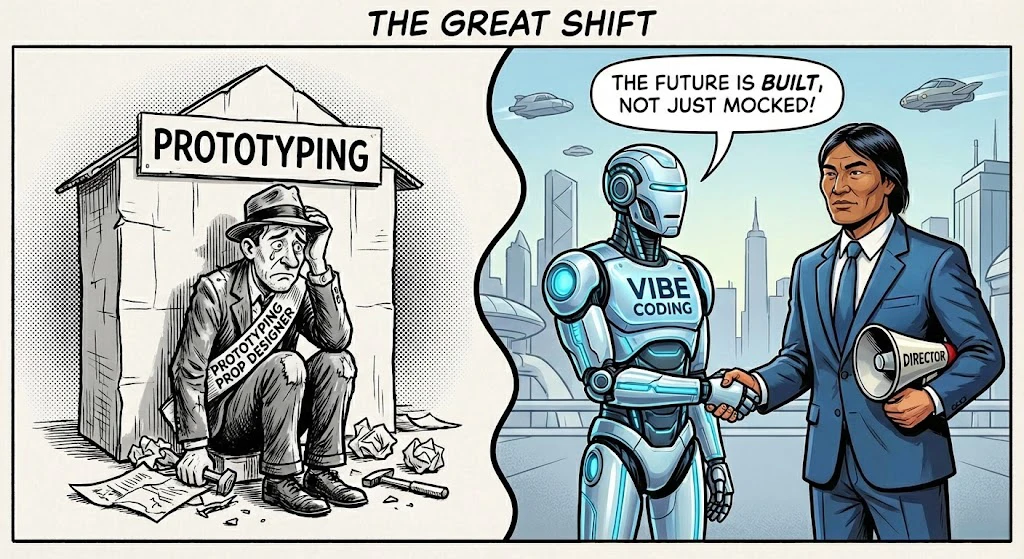
Prototyping used to be the throne. It was the canvas, the single source of truth. If you wanted to be taken seriously as a product designer, you mastered auto-layout, components, tokens, variants, and the whole cathedral. You created pristine screens, animated micro-interactions, built static vectors, and then linked each frame to another so a tap here transitioned there. You simulated logic without actually building logic. Click this. Jump to that frame. Pretend there is data behind it. You handed over tidy files to developers and called it collaboration.
That model is shifting. The usual way of prototyping is losing authority. Not disappearing and not collapsing, but losing authority. For years, a high-fidelity clickable prototype was the closest affordable approximation to reality because engineering time was expensive. Spinning up a real environment just to test an idea felt wasteful, so we lived in simulations. Now, AI-assisted tooling has lowered the cost of building. Designers can generate working front-ends, and product managers can review features that actually run. When the cost of reality drops, illusions feel thin.
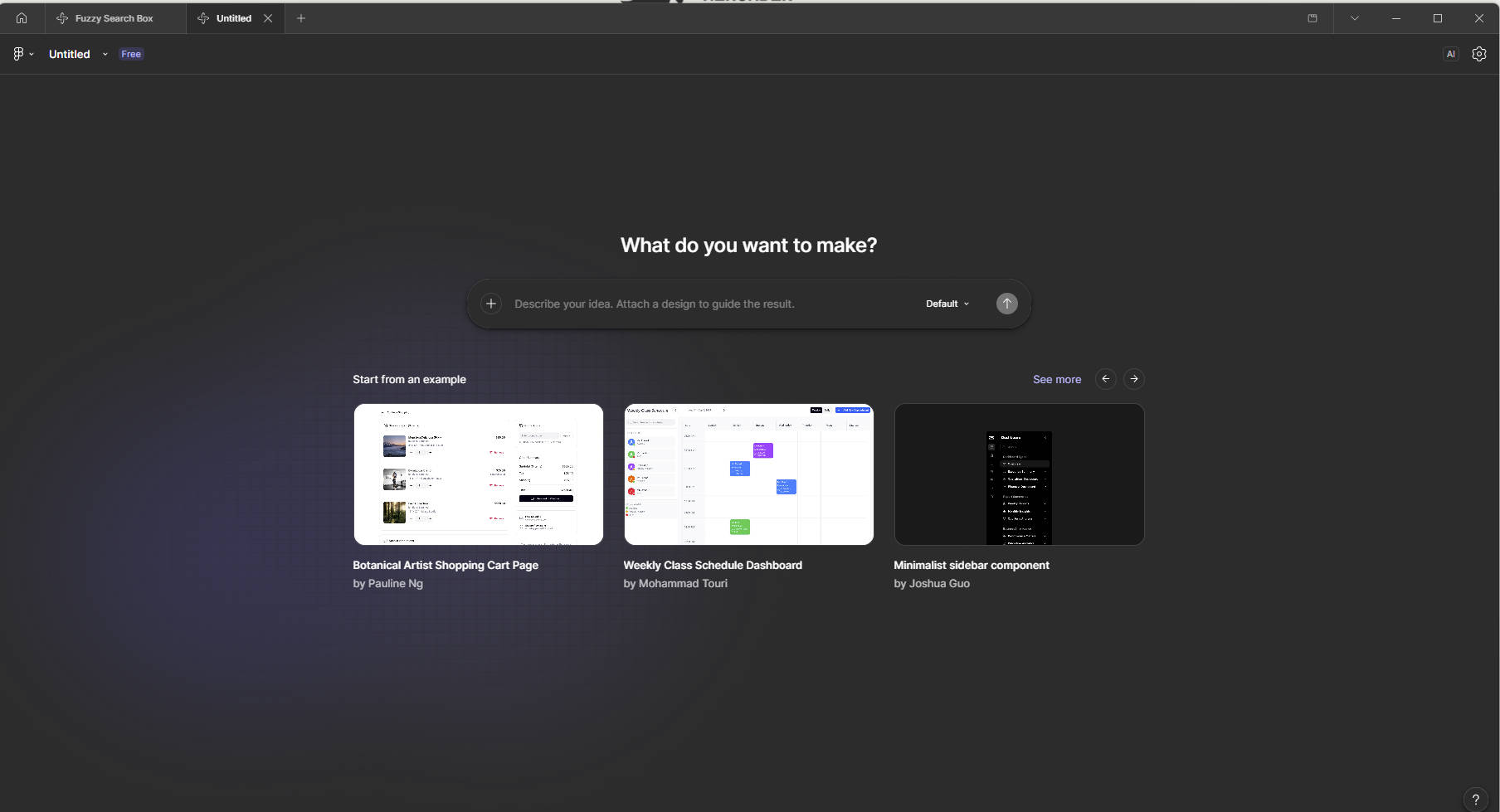
Some people jumped to a dramatic conclusion: “Why are designers leaving Figma?” That is the wrong diagnosis. Figma did not ignore the shift; it absorbed it. With Figma Make, the platform effectively says, ‘You want vibe coding energy inside the design workflow?’ Fine. Generate functional artefacts here. Keep your system, your components, and your tokens, and still move toward execution. The battle is not Figma versus vibe coding. It is representational prototyping versus operational prototyping. And operational artefacts are winning.
Why Is It Happening?
Here’s the thing: product teams are tired of theatre. A clickable prototype answers one question: “What would this look like?” A working slice answers several:
“Does this logic hold?”
“Does this scale?”
“What breaks under real data?”
“What happens on failure?”
For years, designers could operate at a comfortable distance from implementation realities. State management, API inconsistencies, error handling, performance constraints, and accessibility edge cases – those were engineering problems.
Now the wall is thinner.
When a rough but functional build can be generated in hours, stakeholders begin to expect something that behaves, not just something that animates. A modal that actually validates input carries more weight than a modal that simply fades in. This is not about aesthetics losing importance. It is about behaviour gaining visibility. And when behaviour becomes visible earlier, static transitions feel like rehearsals for a play that no one wants to watch twice.
What A Designer Is Supposed To Do
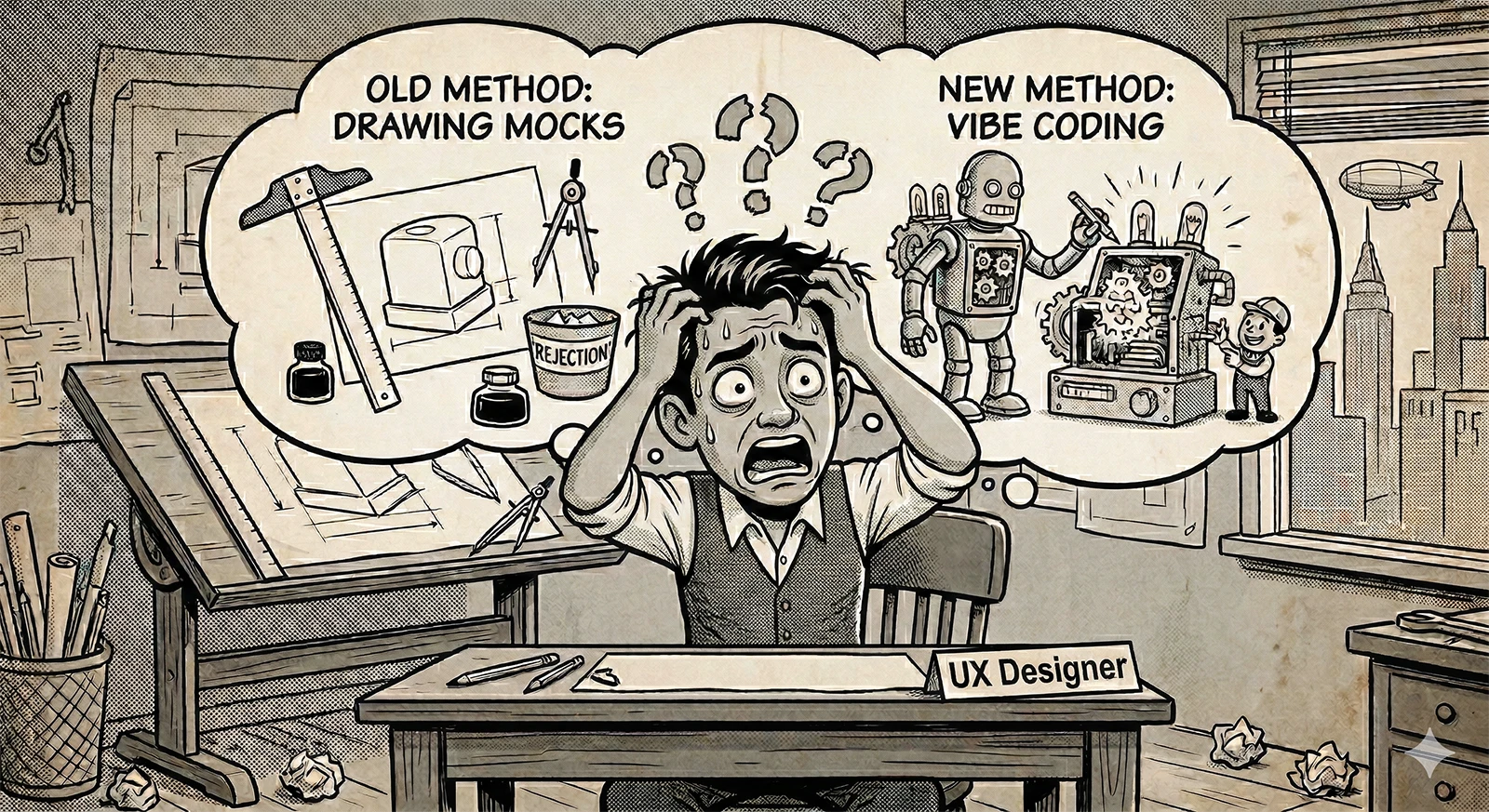
Stop tying your identity to tools. If your value is “I know Figma deeply“, that is unstable. Tools evolve. Interfaces change. The durable asset is not the canvas: it is your judgement.
You need to think in systems that run. That means understanding how state flows through an interface. Knowing what an API returns and how latency reshapes perception. Anticipating what happens when there are zero results, ten thousand results, or corrupted data. You do not need to become a full-time engineer, but you need to reduce the illusion gap between design and execution. Build rough things that work. Break them. Observe what fails, and then refine. When you touch real implementation, your design thinking sharpens. You stop proposing impossible micro-interactions and designing flows that assume faultless backend behaviour. Constraints become inputs, not annoyances.
Learn
Data literacy is one of them. I am not talking about dashboard tourism; I mean real literacy. Understand how experiments are structured. Know what statistical significance means in practical terms, recognise sampling bias, and question vanity metrics. If you can read product data and challenge an interpretation, you will stay relevant regardless of tooling trends.
Systems thinking is another. Products live inside ecosystems. Change onboarding and you might increase support tickets. Reduce friction and you might increase fraud. Seeing second-order effects is a durable skill.
Basic technical fluency matters. You should understand component architecture at a conceptual level. You should know what a design token actually maps to in code, grasp performance budgets, and understand why a 300ms delay feels vastly different from a 1.5-second delay. These are not engineering secrets – they are product realities.
And communication remains timeless. If you can articulate trade-offs clearly, defend a decision with evidence, and admit uncertainty when appropriate, you will not be replaced by a prompt.
Figma and prototyping are not the core of UX
Despite all this technological noise, the core fundamentals did not expire.
You can generate a bug-free MVP in a weekend, but if it does not solve a genuine human problem, it is useless.
Most failed products are not victims of bad UI. They are victims of bad framing. If you never investigated the real user behaviour, mapped incentives, or validated the pain point, then faster prototyping just accelerates mistakes. Velocity amplifies thinking. Good thinking becomes powerful, and bad thinking becomes expensive.
Discovery still matters. Observing behaviour still matters. You still need to apply heuristics to ensure your product makes sense. Asking why users did something instead of what they say they want still matters. Empathy is not replaced by AI, nor is genuine user feedback. In fact, the faster we can build, the more important it becomes to build the right thing.
So here is the honest framing: prototyping is not dying. The usual way of prototyping is just losing its monopoly on validation. Static frames stitched together with simulated transitions are no longer the closest thing to reality we can afford. Reality got cheaper. Figma is adapting, and vibe coding is not a rebellion – it is a pressure signal. The industry is shifting from drawing approximations to testing behaviour earlier.
The throne moved. The designers who will thrive are not the ones who cling to the old ritual, nor the ones who blindly worship the new tools. They are the ones who understand that tools change, but thinking endures. Find the real problem. Model it. Test it. Measure it. Then build something that actually runs. Whether that begins in a frame, a generated component, or a live environment is secondary. The craft is not in the prototype: it is in the reasoning behind it.
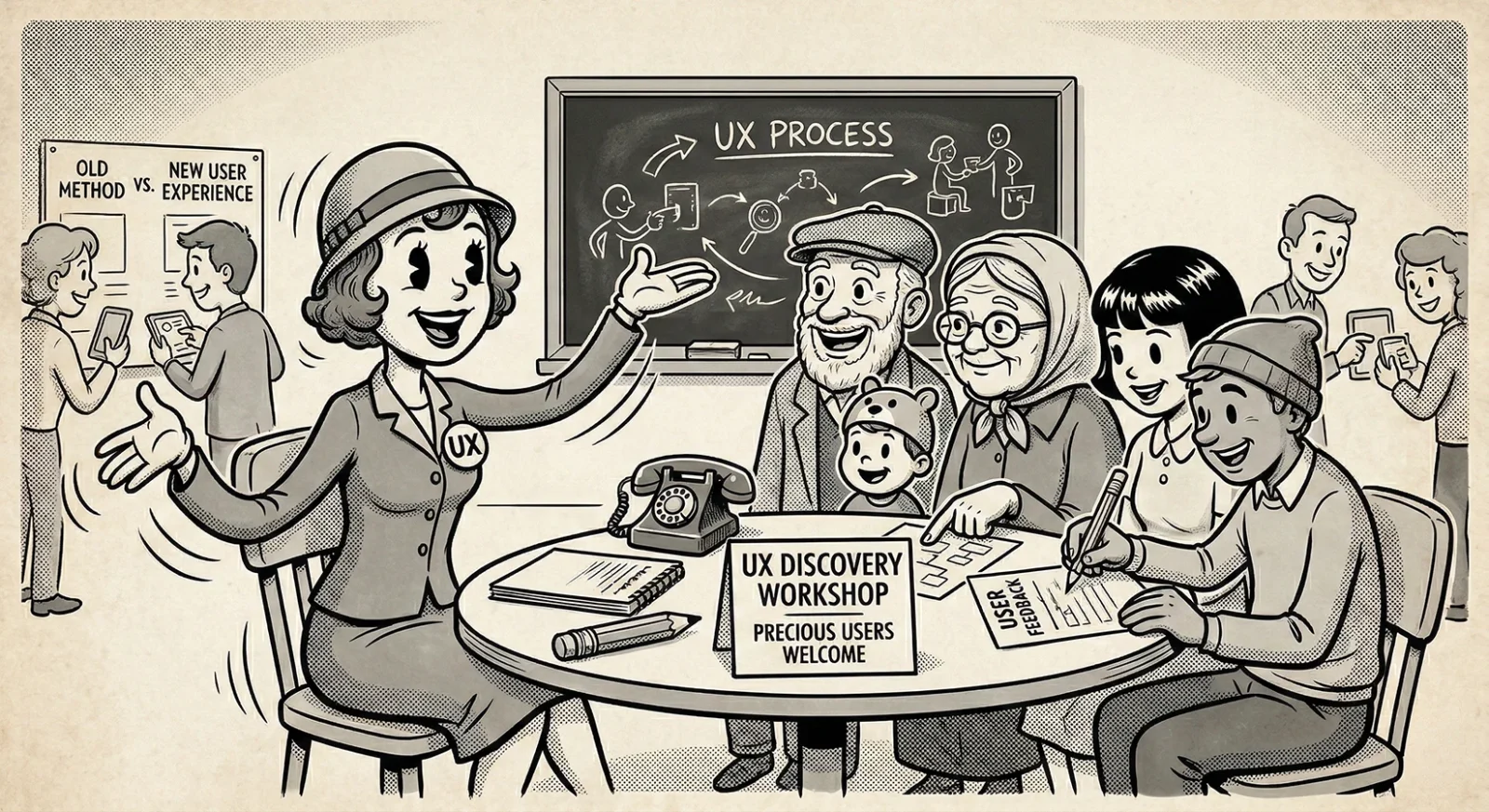
The designers who will thrive are not the ones who cling to the old ritual, nor the ones who blindly worship the new tools. They are the ones who understand that tools change, but thinking endures.